Why Flush Casement uPVC Windows Are Trending (and Where Sash Still Wins)
Flush casement uPVC windows have become increasingly popular with homeowners looking for a cleaner, more modern take on traditional window styles. Homeowners like the cleaner lines, the neat finish and the more modern take on a traditional look.
That said, while flush casement uPVC windows are trending, they are not always the best choice, especially for period homes where original character matters. In many cases, sash windows still offer the more suitable and more sympathetic option.
In this guide, we look at why flush casement styles are growing in popularity, how they compare with standard casement windows, and where sash windows continue to come out on top.
What is a flush casement uPVC window?
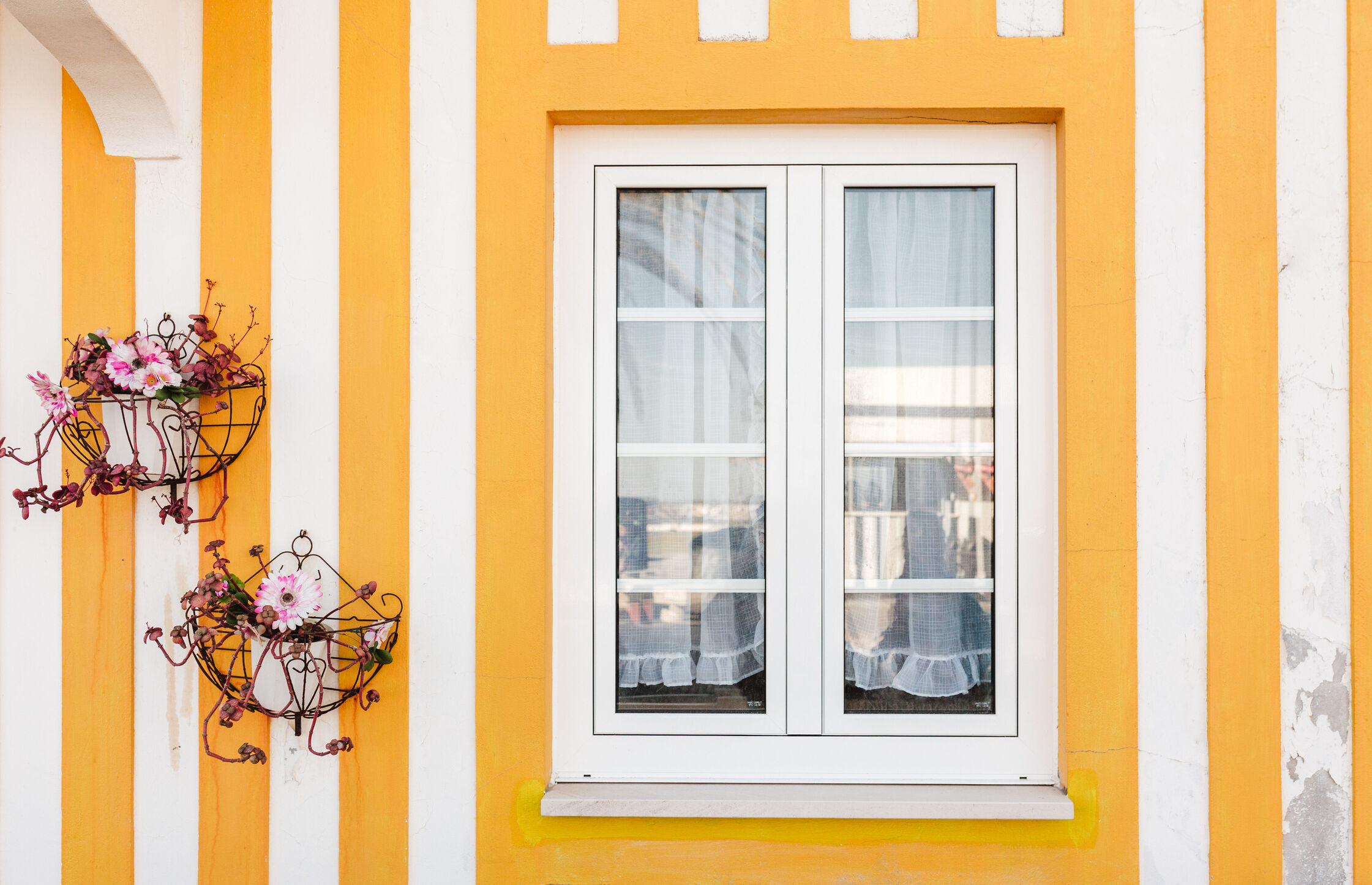
A flush casement uPVC window is a window where the opening part closes level with the outer frame, rather than sitting proud of it. This creates a flatter, more streamlined appearance than a standard casement window.
For many homeowners, this is what makes the style appealing. A uPVC flush casement window can look more refined than older standard uPVC designs, making it a popular option for people who want something simple, smart and lower maintenance.
Why flush casement uPVC windows are trending
There are a few clear reasons why flush casement uPVC windows are trending.
First, they offer a more stylish finish than traditional bulky uPVC window frames. Second, they suit a wide range of homes, from newer properties to cottages and some semi traditional houses. Third, they appeal to homeowners who want a more heritage inspired look without choosing timber.
They are also often seen as a step up from older white plastic window styles. For buyers who want cleaner lines and a more up to date look, flush casement has become an attractive option.
Why it’s becoming the new uPVC standard
Part of the growth in uPVC flush casement window demand is down to changing expectations. Standard uPVC casement windows can now look dated to some homeowners, especially where slimmer, more balanced designs are available.
Flush styles are increasingly seen as the more premium option within the uPVC market. They offer a neater finish and often feel closer in appearance to traditional joinery, which is why many people now see them as the new standard rather than an upgrade.
Flush windows vs casement: what’s the difference?
When comparing flush windows vs casement, the main difference is in how the window sits within the frame.
With a standard casement window, the opening section usually closes slightly proud of the outer frame. With a flush casement window, it sits flat within the frame for a more even look.
From a distance, that difference may seem small, but visually it can change the whole feel of a property. Flush designs tend to look tidier and a little more considered, which is why they are becoming more popular.
That said, the choice is not only about appearance. You also need to think about the style of the property, the materials used and whether the window design suits the character of the home.
Flush casement timber windows vs uPVC: what to know before you choose
If you like the flush look, your next question is usually whether to choose flush casement timber windows or uPVC.
Timber can offer a more authentic finish, especially on older properties where natural materials and fine detailing matter. Wooden flush casement windows often suit cottages, rural homes and period style properties better than uPVC, particularly where appearance is the priority.
uPVC, on the other hand, is often chosen for ease of maintenance and lower upfront cost. For many homeowners, a flush casement uPVC window provides the look they want without the level of upkeep associated with timber.
However, before making a decision, it is worth asking what role the windows need to play in the overall appearance of the property. If your home has strong period features, original proportions or existing sash windows, the most practical choice is not always the most visually suitable one.
Where sash windows still win for period homes
Some homeowners look at flush sash casement windows as a way to achieve a more traditional appearance without choosing true sash windows. While they can offer a neater and more heritage-inspired look than standard casement designs, they still do not fully replicate the proportions, operation or detailing of traditional sash windows.
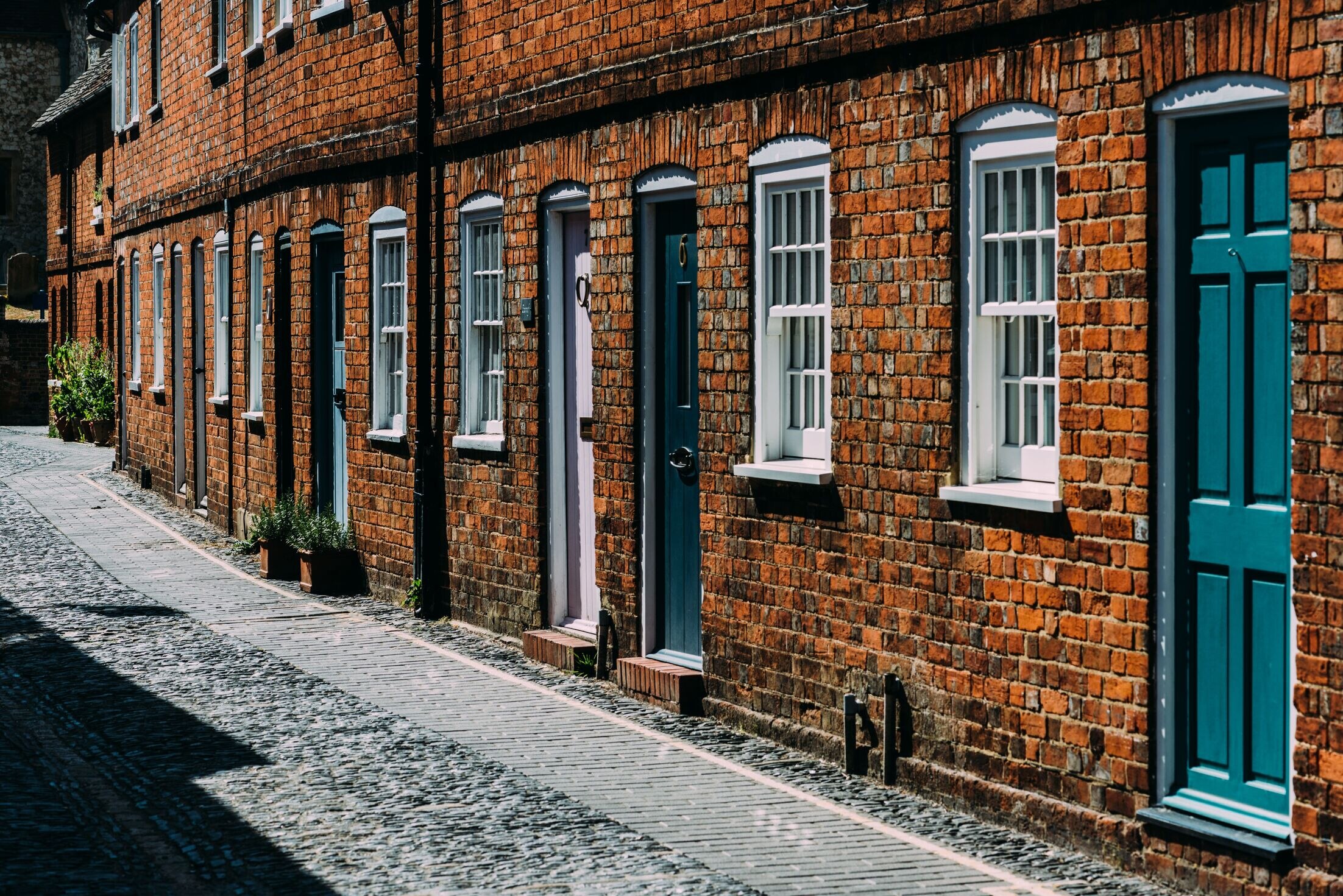
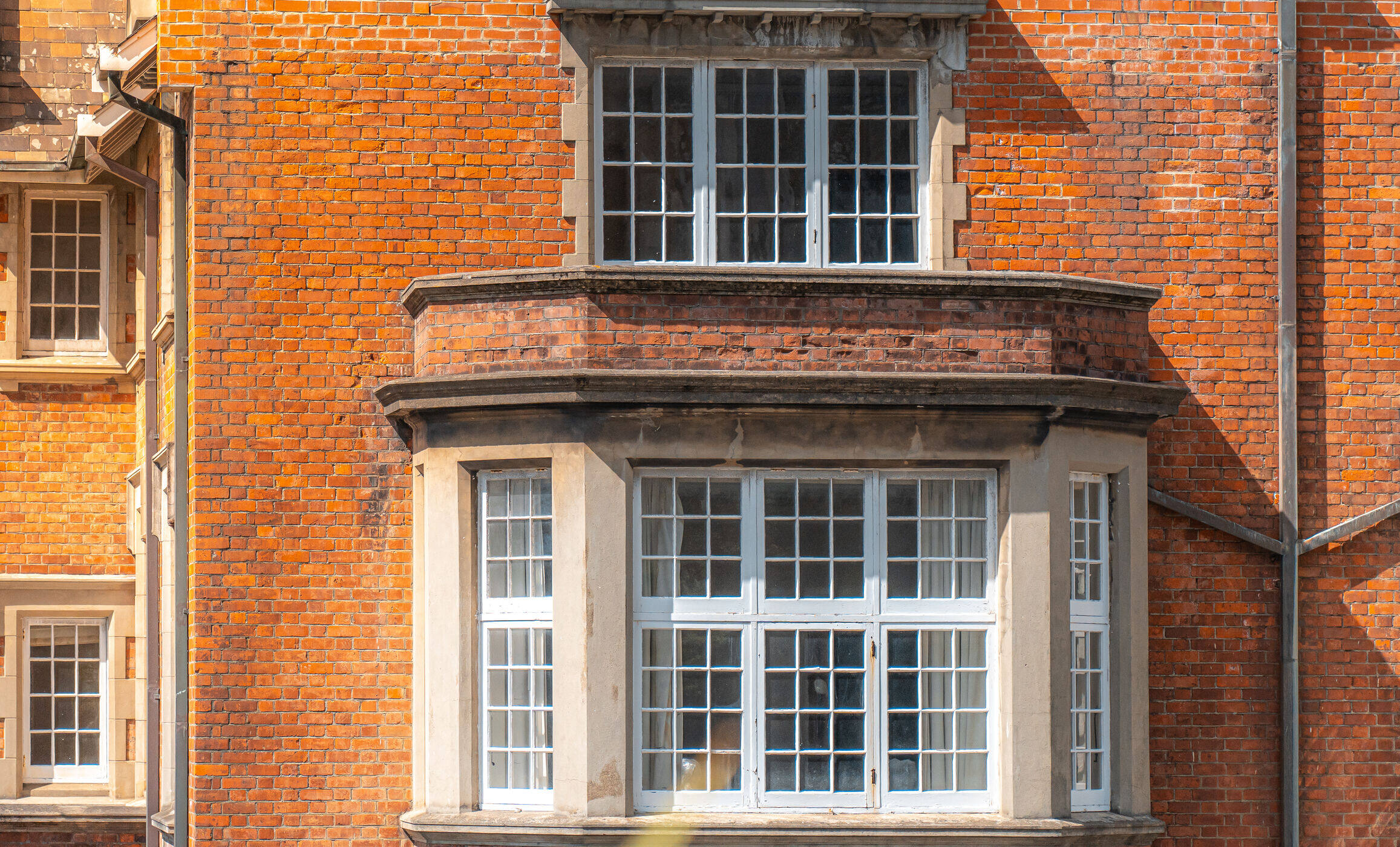
Sash windows are part of the architectural identity of many Victorian, Edwardian and Georgian homes. Their proportions, opening style and detailing are very different from casement windows, even flush ones. That means replacing them with flush casement uPVC can change the overall look of the property more than homeowners expect.
In period homes, sash windows still win because they:
- suit the original character of the building
- preserve the right proportions and sightlines
- feel more authentic
- often support the value and appearance of the home better in the long term
A flush casement window may be a neat and attractive option, but it will not fully recreate the look of a traditional sash.
Sash vs flush casement uPVC: which should you choose?
When it comes to sash vs flush casement uPVC, there is no one size fits all answer. Flush casement windows are trending for good reason. They look smarter than older standard uPVC designs, they suit a wide range of homes, and they offer a practical, low maintenance solution.
But for period homes, sash windows still win in the areas that matter most. They are better suited to traditional architecture, more in keeping with the age of the property, and often the stronger choice if you want to improve your home’s comfort, energy efficiency and overall performance without losing its original character.
If your home is more modern, or if you simply prefer the cleaner look of flush casement, uPVC may well be the right fit. If your property has history, charm and original detailing, sash windows are still hard to beat.
Not sure whether flush casement or sash windows are right for your home? We can help you choose the most suitable option for your property, with advice on sash window repairs, glazing upgrades, draught proofing and replacement windows. Get in touch to discuss the best solution for your windows.