uPVC vs Aluminium Windows: Which Is Better for Sash Windows (and Period Homes)?
If you are comparing uPVC vs aluminium windows, it is easy to focus on the material alone. In reality, the better choice depends on the style of your home, the type of window you want, and how important authenticity is to the finished look.
For period homes, that matters even more. Sash windows are a defining feature of many Victorian, Edwardian and Georgian properties, so choosing the wrong material can change the character of the building more than homeowners expect. While both materials have their strengths, they do not always suit sash windows in the same way.
uPVC vs aluminium windows: what’s the real difference?
At the simplest level, the difference between aluminium v uPVC windows comes down to appearance, weight, finish and how each material performs in day to day use.
uPVC is widely chosen because it is cost effective, low maintenance and available in sash-style designs such as uPVC sliding sash windows. It tends to be the more common option for homeowners who want the sash look without the cost of traditional timber.
Aluminium is known for its strength, slimmer frames and more contemporary appearance. It is often used in modern glazing systems, including aluminium sliding window and aluminium casement designs, where clean lines are a priority.
The key point is that both can work well in the right setting, but period homes usually need more careful consideration than newer properties.
How each material works for sash windows
If you are specifically looking at sash windows, uPVC is generally the more established alternative to timber. uPVC sliding sash designs are widely available and are intended to replicate the vertical sliding look of traditional sash windows while offering lower maintenance.
Aluminium can also be used for sash-style windows, but it is more often associated with modern systems and wider glazed designs than with classic period sash proportions. In many cases, aluminium is more at home in contemporary homes than in traditional terraces or heritage properties.
That does not mean aluminium cannot work. It simply means the success of the final look depends heavily on the design, the detailing and the property itself.
Thermal performance basics
Thermal performance is one of the first things homeowners think about when replacing windows. Both materials can perform well when paired with the right glazing, but the frame design still matters.
uPVC has long been associated with strong thermal performance and is often chosen for that reason. Aluminium has improved significantly over the years, particularly with modern thermal break technology, but some homeowners still see uPVC as the more familiar choice when warmth and efficiency are a main priority.
In practice, glass specification, seals and installation quality often make as much difference as the frame material itself.
Looks & authenticity: which suits traditional sash window proportions?
For period homes, this is often the deciding factor.
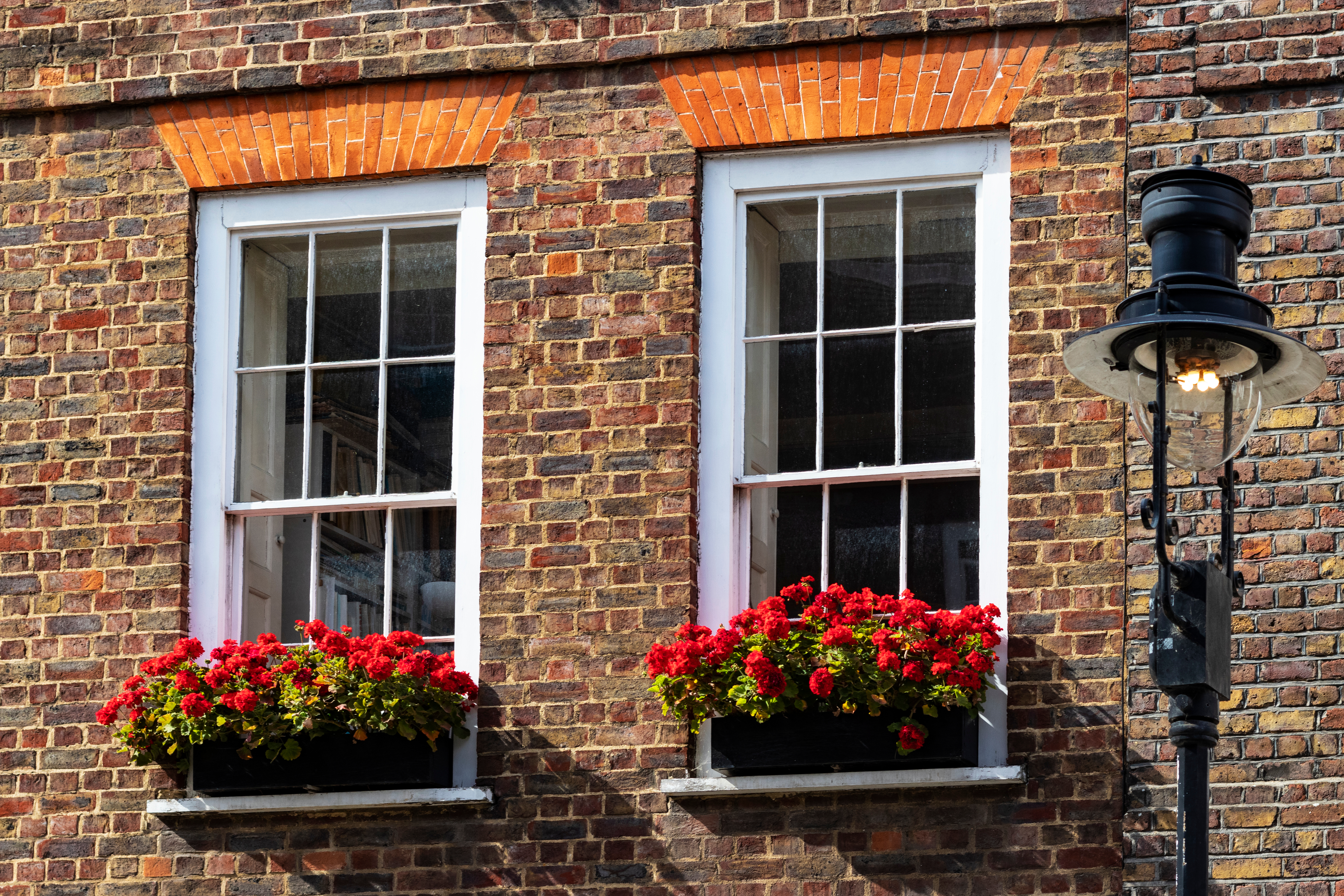
Traditional sash windows have a particular balance, with vertical proportions, fine detailing and a look that suits the age of the property. If that original character matters, the material needs to support the design rather than fight against it.
uPVC sash windows can work well where the aim is a more affordable sash-style replacement, especially if the design is sympathetic and the proportions are handled properly. However, some uPVC products still look heavier than original timber sash windows, which can affect the overall appearance.
Aluminium is usually slimmer in profile, but it often has a more modern feel. That is why it tends to work better for modern homes, extensions or contemporary glazing than for traditional sash windows in period properties.
Where authenticity matters most, many period homeowners still prefer a window style that stays as close as possible to the original appearance of the building.
Maintenance & lifespan: what homeowners actually experience
Maintenance is one of the main reasons people compare uPVC vs aluminium windows in the first place.
uPVC is popular because it is easy to look after and does not need painting in the same way timber does. For many homeowners, that simplicity is a major advantage. It is often seen as the practical, lower-effort option.
Aluminium is also low maintenance and is valued for its durability. It can offer a long service life and a strong finish, which is one reason it is so widely used in modern window systems.
Lifespan and upkeep: what homeowners typically experience over time
In day-to-day terms, both materials are relatively straightforward compared with traditional timber. The difference usually comes down to the setting and the look you want to achieve.
uPVC tends to be chosen for convenience and value. Aluminium is often chosen for its strength and cleaner, more contemporary finish. Over time, homeowners usually find that both require less upkeep than timber, but neither will automatically be the best visual fit for a period home just because they are practical.
That is why it is important to think beyond maintenance alone. A window can be easy to look after and still not be the right choice for the property.
Cost comparison: uPVC vs aluminium for sash-style windows
In most cases, uPVC is the more affordable option. That is one of the main reasons uPVC sliding windows and sash-style products remain popular. They give homeowners a route to the sash look at a lower upfront cost than many other alternatives.
Aluminium usually comes in at a higher price point. The slimmer frames and stronger material can be appealing, but that often comes with a higher initial investment. If you are comparing aluminium casement windows or sash-style aluminium designs with uPVC, cost will often be one of the biggest deciding factors.
For period homes, though, price should not be the only measure. The right choice also depends on how well the window suits the property and whether the finished result looks in keeping with the original building.
So which should you choose?
When it comes to aluminium v uPVC windows, there is no universal answer.
If your priority is a more affordable sash-style option with low maintenance and solid thermal performance, uPVC may be the better fit. If you prefer slimmer frames and a more contemporary look, aluminium may appeal more, particularly in modern properties.
For sash windows in period homes, the most important question is not just which material is better on paper. It is which one looks right on the house. In many cases, homeowners find that uPVC is the more natural fit of the two for sash-style windows, while aluminium tends to suit more modern glazing schemes. The best results usually come from choosing a window that balances performance, cost and appearance, while still respecting the character of the property.
Choosing between uPVC and aluminium for a period home? We can help you decide what works best for your property, whether you need uPVC sash windows, timber sash window repairs, glazing upgrades or sympathetic replacements that keep the original character of your home intact. Get in touch for expert advice on the right option for your windows.